Skip Hire in Tooting for Domestic, Trade and Clearance Waste
Our skip hire in Tooting supports household clear-outs, building work and routine waste removal with practical container options for mixed loads, heavier rubble and lighter general rubbish. Whether you are clearing a single room or managing debris from a larger project, the aim is to make disposal straightforward, legal and suited to the type of waste you have. We offer a service centred on clear collection choices, sensible container sizes and a simple route to booking.
Different jobs need different approaches. A bathroom refit may leave tiles and plasterboard, a garden project may create soil and branches, and a house clearance can produce bulky mixed items. Our approach is to match the skip or collection method to the task so you are not paying for more capacity than you need, while still having enough space for the waste that has to go. If you are comparing options, skip sizes and prices can help you think through the likely volume before you request a quotation.
When you want to move on quickly, book online is a convenient way to send the key details. If you are unsure which service is the best fit, you can still use plain text to ask for a quotation and we can help you narrow it down.
Domestic Skip Hire for Households and Home Projects
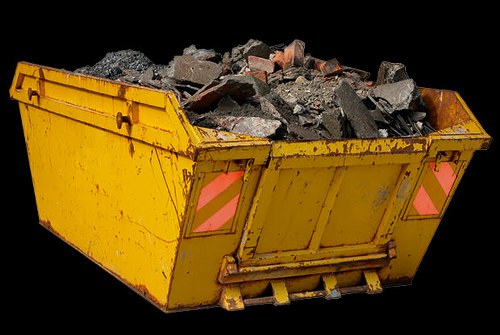
Domestic skip hire is often the simplest choice for ongoing DIY work, spring clearing, decorating waste and one-off household tidy-ups. It gives you one place to keep rubbish together while the job is underway, rather than filling a car or making repeated trips to a tip. We can help with mixed domestic waste where items are compatible with the chosen container and the disposal route. For people planning a home project, domestic skip hire provides a useful starting point for choosing the right kind of collection.
There are times when a lighter clearance service may suit better than a skip, especially if access is tight or the waste is awkward to carry. In those cases, a collection-based alternative can sometimes be more practical than leaving a container on the road or driveway. For example, rubbish removal may be a better fit for smaller quantities or for waste that is being moved out in one visit. The right option depends on what you need cleared, how much there is and where it can be placed safely.
Useful domestic jobs include decluttering before a move, disposing of broken furniture and dealing with renovation leftovers after plastering, fitting or tiling. A well-chosen skip helps keep the work area tidier and can make sorting much easier while the project is still active. For a quote, keep a rough list of the main waste types and note whether access is straightforward, because those details help us suggest a practical arrangement.
Trade Waste and Building Projects

For builders, contractors and property owners, skip hire is often used to keep a site organised while work is under way. Bricks, timber offcuts, plasterboard, packaging and mixed construction waste can build up quickly, so having a suitable container in place reduces clutter and helps work continue more smoothly. If your load is mainly from structural work or refurbishment, builders skip hire is the most direct page for that type of waste stream.
Some projects need more than a simple container drop. Heavier or bulkier materials may require a different collection method, and sites with repeated spoil or loose rubble can benefit from alternatives that suit the pace of the job. You may also want to compare construction waste disposal with construction waste clearance if you are weighing container-based disposal against a collection-led solution. The best choice depends on access, loading method and the amount of waste produced over time.
Common trade-related factors include the type of material, the space available for placement, how long the waste will remain on site and whether the load is mixed or fairly uniform. Contractors often find it helpful to keep waste streams separated where possible, as this can make disposal planning simpler and avoid preventable delays. If you are arranging a quotation, an approximate description of the work and the expected waste mix is usually enough to begin the process.
Choosing a Skip Size and Understanding Waste Limits
Choosing the right skip is mainly about volume, material and access. A container that is too small can lead to overfilling, while one that is too large may be unnecessary for a smaller job. We aim to keep the decision practical by considering what is being removed, how quickly it will arrive and where the skip can sit. If you are planning around budget as well as capacity, skip sizes and prices can help you compare the broad options before you commit.
There are also waste rules to keep in mind. Some loads can be mixed, but certain items need separate handling or cannot go in a standard skip at all. Heavier materials, sharp waste, electrical items and hazardous substances need special attention, and the right disposal route depends on the material rather than just the quantity. For a concise overview of common acceptable and restricted items, what can go in a skip is a useful reference page.
When planning your hire, it helps to think in this order:
- what type of waste you have
- how much space it is likely to take up
- where the skip can be positioned
- whether the waste may need special handling
Skip Permits, Access and Placement
Access is one of the most important practical points in skip hire. A skip placed on private land is usually easier to organise than one that has to sit on a public road, because road placement may involve extra permissions. If your driveway or forecourt is available, that can simplify delivery and collection considerably. Where road space is the only option, the process becomes more dependent on local rules, timings and the type of permit required.
For those situations, skip permits explains the permit-related side of the arrangement, while skip hire permits offers a service page focused on the same practical issue. These pages are helpful if you are trying to work out whether a permit is likely to be needed and how it fits with your preferred delivery plan. The main point is to confirm placement early, so the booking matches the site conditions rather than creating avoidable changes later.
Access checks can include gate width, turning room, overhead obstructions and whether the collection vehicle can stop safely near the drop point. If the path to the placement area is tight, it may affect the most suitable skip choice or whether another service would be easier to use. A brief note about the site layout is often enough to begin a sensible quotation, and it can prevent problems on the day of delivery.
Garden, Garage and Loft Clearances
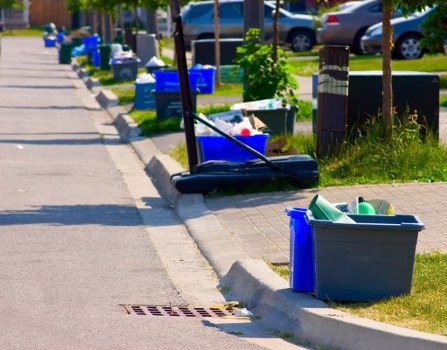
Not every job is a building site project. Garden waste, stored belongings and old household clutter can all add up to a substantial load that needs an efficient disposal plan. For outside work, garden waste removal is a relevant option when you are dealing with cuttings, branches, soil and similar organic material, while indoor clear-outs may be better supported by garage and loft clearance where the waste comes from storage spaces rather than construction work.
These jobs often involve a mixture of items rather than one neat waste type. A garage may contain broken shelving, old boxes and small DIY debris, while a loft might hold disused furniture, packaging and general household contents. A garden job may include green waste alongside pots, timber and fencing offcuts. The key is to choose a route that can deal with the actual mix, not just the most obvious item. That is why it helps to describe the contents clearly when asking for a quotation.
Where access is awkward, an arranged collection can sometimes be better than leaving a container in place for several days. Some customers want one organised removal rather than managing loading over a period of time, and others prefer the flexibility of a skip that can stay on site while the work progresses. If you are still deciding, plain text is fine: tell us what is being cleared, roughly how much there is and whether the waste is indoors or outdoors.
Commercial and Office Waste Solutions

Commercial customers often need waste removed in a way that fits around working hours, staff movement and the layout of the premises. Office clearances, shop refits and routine business waste all benefit from a plan that is clear about what is being taken away and how the load will be handled. For business premises, commercial skip hire is a straightforward page to review when you need a container-based option for mixed business waste.
Office and premises clearances can include desks, chairs, storage units, packaging, paper waste and small items of equipment. Some of these materials may be suitable for a skip, while others are better separated or handled through a different disposal route. If the task is focused on workspaces rather than a standard rubbish load, office clearance is a useful related service page. The aim is to match the disposal method to the contents, so the job is dealt with efficiently and responsibly.
Before asking for a quotation, it helps to note whether the property is occupied, what access arrangements are available and whether you are clearing just one area or several rooms. If you need to speak through the best option, contact us is the final place to send a request for a quotation. We can then help you decide whether a skip, a clearance or another method is the most suitable choice.
Additional Clearance and Disposal Services
Some waste jobs are more specialised than standard mixed rubbish. Heavy spoil, awkward bulky items and specific disposal streams may need a service that is better aligned to the material itself. grab hire services can be appropriate where loose waste needs collecting quickly from an accessible site, while muck away services are relevant to soil and spoil that have to be moved in larger quantities. These pages help you compare more than one route when planning a project.
For full property clear-outs, the contents matter just as much as the volume. house clearance is helpful when you are dealing with rooms full of general belongings, and site clearance suits larger outdoor or mixed-area jobs where several types of waste may be present. If your load includes item categories that need separate handling, hazardous waste disposal sets out a more specialised route and should be considered carefully before anything is loaded.
Other disposal needs can be more item-specific. Appliance removal, sofa disposal and mattress disposal each have their own handling considerations, particularly where bulky items or restricted components are involved. When a project includes one of these pieces alongside general waste, it is often best to identify them in advance so the chosen service can be matched correctly to the load. That keeps the quotation process clear and helps avoid using the wrong solution for the waste in question.
About Tooting
Tooting is a district in the London Borough of Wandsworth in south London, with a history shaped by suburban growth, transport links and a long-standing local high street culture. The area is commonly associated with Tooting Broadway and Tooting Bec, two Underground stations on the Northern line that connect the district to central London and other parts of the capital. Tooting Bec Common and Tooting Graveney Common provide important open space, with paths, grassland and areas used for recreation. The district also includes a varied mix of housing, from terraced streets and mansion blocks to later developments that reflect different phases of London expansion.
Local landmarks include the Grade I listed Tooting Orthodox Church, officially the Church of St George the Martyr, and the heritage-rich Tooting Market, which contributes to the area's well-known food and trading scene. The neighbourhood also has strong cultural associations, with independent shops, restaurants and community venues adding to its character. The name Tooting has deep historical roots, appearing in records from earlier centuries, and the district’s development accelerated with rail and Underground growth during the nineteenth and twentieth centuries. Together, these features give Tooting a layered urban identity that combines busy commercial frontages with quieter residential streets and substantial stretches of public open space.
The area sits within a wider network of south London neighbourhoods, but it retains a distinct identity through its markets, transport stations and commons. Its high street continues to serve as a focal point for everyday activity, while the nearby green spaces offer a contrast to the density of the built environment. Architectural variety is part of its appeal, with different periods visible in the street pattern and building stock. For anyone looking at the district as a place rather than just a name on a map, Tooting offers a clear example of how London neighbourhoods combine movement, history and local character in a relatively compact area.
Booking a Skip and Requesting a Quotation
Once you know the likely waste type and rough volume, the booking process is usually straightforward. A clear description of the job makes it easier to suggest the most suitable service, whether that is a standard container, a clearance-led alternative or something more specialised. If your project is time-sensitive, it helps to say whether the waste will be ready all at once or built up over several days, as that can influence the most practical arrangement.
It is also useful to mention any access constraints, loading restrictions or special items that may need separate treatment. That does not require a long explanation: a few accurate details are usually enough. If you are comparing costs, pricing and quotes is the page to review before you ask for a figure, and it can help you prepare the right information for a helpful response. Keeping the enquiry concise but specific tends to make the next step simpler for everyone involved.
For a quotation, you can now use plain text or the contact page to send the essentials: what needs removing, where it is, and when you would like the work arranged. If you are ready to move ahead, request a quotation today and choose the waste solution that suits your property, site or project best.