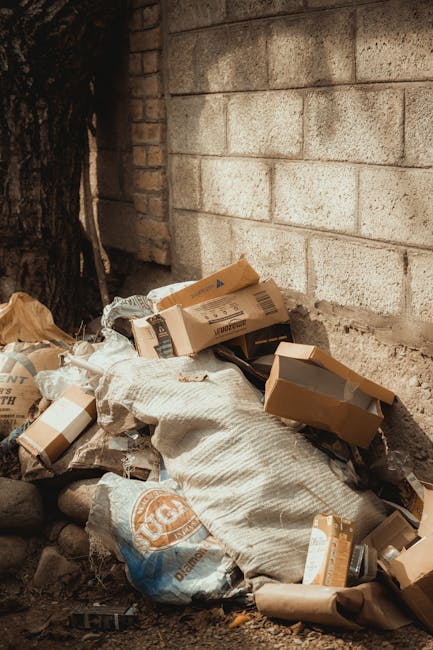
Tooting Broadway rubbish removal tips for tight access properties

If you live or work in Tooting Broadway, you already know the problem: rubbish removal is rarely as simple as "turn up and load." Tight stairwells, narrow front paths, basement steps, shared entrances, parked cars, and awkward mews-style access can all slow things down. In real life, that means a clearance job that looks straightforward on paper can become a bit of a puzzle once the team arrives and starts measuring gates, looking at kerbs, and trying not to block the pavement.
This guide brings together practical Tooting Broadway rubbish removal tips for tight access properties so you can plan properly, avoid costly mistakes, and choose the right method for your space. Whether you need a one-off flat clearance, builders' waste removed after a refurb, or a more regular service for a commercial unit, the aim is the same: get the waste out safely, quickly, and with as little disruption as possible. Let's face it, nobody wants rubbish bags balanced in the hallway at 8am while someone is trying to leave for work.
Quick expert summary: For tight-access properties, the smartest approach is usually to measure first, separate waste properly, choose the right removal method, and plan around access restrictions before the crew arrives. That simple sequence saves time, stress, and a lot of back-and-forth on the day.
Why Tooting Broadway rubbish removal tips for tight access properties Matters
Tight access changes everything. A property can be perfectly livable and still awkward for waste removal: a narrow terraced side alley, a block of flats with only a small communal entrance, or a converted building where every stair seems to turn just when you need to carry something bulky. In Tooting Broadway, where homes, shops, and mixed-use buildings often sit close together, space is at a premium and that affects how waste can be removed.
Getting this right matters for three simple reasons. First, it protects walls, floors, railings, and doorframes from knocks and scuffs. Second, it reduces delays, which often means lower labour time and less disruption. Third, it keeps everyone safer. Waste handling in cramped spaces is exactly the sort of job where a quick decision can turn into a strained back, a dropped appliance, or a blocked exit route. Not ideal.
It also matters because different waste streams behave differently. A few bags of general household rubbish are one thing. A sofa, a broken fridge, and renovation rubble are another. That's why many people compare rubbish removal services with alternatives such as skip hire or wait and load skip hire before deciding what will genuinely suit a tight property.
How Tooting Broadway rubbish removal tips for tight access properties Works
The process starts long before the collection vehicle arrives. For a tight-access property, good rubbish removal usually works in four stages: assess, prepare, remove, and sweep through the last details. That sounds simple, and mostly it is, but the success is in the detail.
Assessment means checking the route. Measure gate widths, staircase landings, basement turns, and any pinch points where a bulky item might snag. If you can, take a quick look at the parking situation too. A van may be fine to stop briefly, but if the road is congested or loading space is limited, timing becomes just as important as size.
Preparation means putting all waste in one place if possible. The less the team has to hunt through a flat, yard, or cellar, the better. A small staging area near the exit can make a huge difference. It might be the front room, a hallway corner, or the top of the basement stairs. Wherever it is, keep it clear.
Removal then depends on the method. For some jobs, a crew can lift everything out by hand in a short visit. For others, a smaller vehicle, a man and van service, or a grab hire service is more efficient. In certain cases, especially where vehicle access is poor, a wait and load skip hire arrangement can work well if loading can happen safely and legally at the kerbside for a short period.
Final details matter too. Once the waste is removed, the area should be checked for stray debris, broken glass, nails, or other hazards. You do not want to discover a screw underfoot later that evening when the light is low and everyone's tired.
Key Benefits and Practical Advantages
When you choose the right approach for tight access, the benefits show up quickly. The most obvious one is less stress, but there are plenty of other practical gains as well.
- Less damage risk: Narrow access often means more corners, more contact points, and more opportunities for accidental scuffs. Planning reduces that risk.
- Faster completion: A crew that knows the layout can work far more efficiently than one who has to improvise on the spot.
- Better safety: Clear routes and realistic lifting plans reduce trip hazards and strain.
- More suitable service choice: Some properties suit a skip, others suit direct collection, and some are best handled with a mixed approach.
- Cleaner surroundings: Tight-access work often means waste can be removed without leaving a skip outside for days, which many residents prefer.
There's also a quieter benefit people often miss: better neighbour relations. In a street with limited parking and close-set homes, the difference between a smooth two-hour clearance and a messy all-day block-up is huge. A well-planned job keeps complaints down. And in a place like Tooting Broadway, that peace of mind is worth a lot.
Who This Is For and When It Makes Sense
This advice is useful for more people than you might think. Tight access properties are common across the area, and rubbish removal needs come up in all sorts of situations.
- Flat owners and tenants dealing with old furniture, bagged junk, or post-move clearouts.
- Landlords and letting agents who need speedy turnarounds between tenancies.
- Builders and tradespeople working on refurbishments where access is via a narrow terrace, rear alley, or shared passage.
- Homeowners clearing lofts, garages, basements, or overfilled side returns.
- Small businesses with stockroom waste, office furniture, confidential paperwork, or appliance disposal needs.
It makes sense whenever the waste is too much for a normal car trip to the tip, too bulky for easy DIY lifting, or too awkward to leave outside in a standard skip. If you are dealing with items like fridges, mattresses, sofas, or mixed renovation waste, specialist services such as fridge and appliance removal and mattress and sofa disposal can save a lot of effort.
Truth be told, a lot of people wait too long before asking for help. By the time the pile is leaning against the boiler cupboard and the hallway has become a bottleneck, the job is harder than it needed to be. A little planning goes a long way.
Step-by-Step Guidance
Here's a practical way to handle rubbish removal in a tight-access property without making it harder than necessary.
- Walk the route first. Check every doorway, turn, stairwell, and outdoor pinch point. Measure the widest and narrowest points if you can.
- Sort the waste early. Separate general waste, recyclable material, bulky items, and anything that may need special handling.
- Decide how the waste will leave the property. Hand loading, smaller vehicles, or a planned kerbside collection may be better than forcing a big skip into a bad space.
- Remove obstacles. Move plant pots, bicycles, loose mats, and anything else that might snag during the move.
- Protect surfaces. If you are carrying items through a finished hallway, use floor protection or at least a clear, dry route.
- Bundle and label items where sensible. The fewer decisions to make on the day, the smoother it goes.
- Plan for parking and timing. Avoid school-run chaos, rush hour, or times when delivery vans usually clog the street.
- Keep access clear during the collection window. Sounds obvious, but people sometimes leave one last chair in the doorway. That one chair is always in the way.
If the property is especially awkward, take photos and share them before booking. A few clear pictures of the entrance, stairs, and waste pile can help the team judge the best method. This is especially useful when comparing a straightforward domestic skip hire approach with a more flexible clearance service.
Expert Tips for Better Results
In our experience, the jobs that go smoothly are usually the ones where the customer thinks like an installer, not just a householder. Small details matter more than people expect.
Tip 1: Put the biggest item first in your planning. If a sofa, wardrobe, mattress, or appliance can move through the route, the rest of the waste will usually be manageable. If the biggest item cannot move, you already know the route needs another solution.
Tip 2: Don't overfill bags. Heavy rubble bags, wet garden waste, and mixed junk bags become awkward fast. They also take longer to lift safely. A lot of people underestimate this. Then they feel it in their shoulders the next morning.
Tip 3: Think about turnaround time. Tight access often means you want the waste out in one controlled visit, not spread across several trips. That is where same day skip hire or direct collection can be a useful option if the work is urgent.
Tip 4: Ask what happens with mixed waste. If your pile includes wood, metal, plasterboard, plastics, and general junk, ask how it will be sorted. That matters for recycling and for cost.
Tip 5: Match the method to the property, not the other way round. A good clearance plan should fit the building. Not every job needs a skip. Not every job needs a van. Some need a hybrid approach, and that is perfectly normal.
And yes, if a crew tells you the access is tricky, they are not being difficult. They are probably being honest. Better that than a truck full of waste and a doorway that turns out to be half an inch too narrow.
Common Mistakes to Avoid
Most tight-access problems are caused by one of a few repeat mistakes. Avoid these and the rest gets much easier.
- Booking before measuring: Guessing the access width is a classic error. A tape measure is quicker than a failed collection.
- Ignoring stair turns: It is not just about the doorway. Stair corners can be the real bottleneck.
- Leaving waste in separate rooms: If the crew has to collect from multiple floors, the job usually takes longer and costs more.
- Mixing prohibited items in with ordinary waste: Batteries, paint, chemicals, gas cylinders, and similar materials need special handling. More on that below.
- Forgetting about neighbours or shared access: In shared buildings, access rules matter. A quick heads-up can prevent awkward conversations later.
- Choosing the wrong method just because it seems cheapest: The cheapest option on paper is not always the cheapest once delays, failed access, or rebooking are counted in.
One small but important mistake is assuming every clearance can be solved by a skip alone. In some tight streets, the better answer is a mix of collection, loading assistance, and waste separation. Services such as enclosed and lockable skip hire can be useful where security or weather protection matters, while grab lorry hire can make sense on sites with easier vehicle access and larger volumes.
Tools, Resources and Recommendations
You do not need a warehouse full of equipment to manage a tight-access clearance, but a few simple tools make life easier.
- Tape measure: Ideal for checking door widths, hallways, and stair turns.
- Phone camera: Useful for photographing access points and the waste pile before booking.
- Heavy-duty gloves: A basic safety essential when handling mixed waste.
- Trolley or sack truck: Helpful for moving lighter items over short, level distances where access allows.
- Floor protection: Cardboard, dust sheets, or proper floor covers can reduce scuffing inside the property.
- Bag ties and labels: Simple but effective for keeping waste organised.
For many readers, the most useful resource is clarity on what can and cannot go with the load. The guide to what can go in a skip is a practical starting point, even if you are leaning towards rubbish removal rather than skip delivery. It helps you think in waste categories, which is what the crew will do anyway.
If you are planning a bigger clearout, it can also help to look at the company's wider service pages such as house clearance, garage and loft clearance, or office clearance. Those pages are useful when the rubbish is part of a larger declutter, not just a single pile by the door.
Law, Compliance, Standards, or Best Practice
Waste removal in the UK is not just a logistics question. There are legal and practical standards to keep in mind, especially if you are dealing with mixed waste, commercial waste, or items that could be classed as hazardous.
At a basic level, the waste producer has a duty of care to make sure rubbish is transferred to a legitimate carrier and handled responsibly. In plain English: don't just hand your waste to someone without knowing where it is going. Responsible operators should be able to explain how waste is transported, sorted, and recycled.
Hazardous items need even more care. Paints, solvents, chemicals, certain electrical waste, fluorescent tubes, and some construction materials should not be thrown in with ordinary household rubbish. If your clearance includes anything risky or unusual, check first and use specialist disposal where needed. The page on hazardous waste disposal is a sensible reference point.
There are also practical best practices around access and safety. A good team will avoid blocking emergency routes, will use safe lifting methods, and will work in a way that reduces damage to communal areas. If you are managing a block, shop, or rental property, that matters quite a lot. It is not glamorous, but it keeps everybody happier.
For larger or more structured jobs, especially on renovation or development projects, pages like builders waste removal, construction waste disposal, and construction waste clearance are worth reviewing. They help align the waste plan with the type of material being produced.
Options, Methods, or Comparison Table
For tight-access properties, the best method depends on the waste type, the amount, and how restrictive the access is. Here is a simple comparison to make that easier.
| Method | Best for | Strengths | Limitations |
|---|---|---|---|
| Rubbish removal | Mixed household, bulky items, quick clearances | Flexible, hands-off, ideal for awkward access | May cost more than a DIY option for very small loads |
| Skip hire | Clear, accessible front space or predictable waste volumes | Good for ongoing jobs, simple loading, straightforward planning | Can be hard to place in tight streets or behind narrow entrances |
| Wait and load | Kerbside collection where vehicle access is possible for a short window | No long-term skip on site, efficient if timing is right | Depends heavily on parking, loading speed, and local conditions |
| Man and van | Smaller loads, flat clearances, furniture, mixed rubbish | Very flexible and suited to narrow access | Less ideal for heavy rubble or large volumes |
| Grab hire | Larger waste piles with decent vehicle reach | Fast on the right site, handles significant volume well | Usually needs better access than a hand-loaded collection |
If you are unsure where your job sits, comparing skip hire with man and van or rubbish removal is often the quickest way to narrow it down. For many tight-access homes, the deciding factor is not the waste itself, but whether the property can physically accommodate the service.
Case Study or Real-World Example
Picture a typical Tooting Broadway terraced property with a rear alley that looks useful at first glance, but turns out to narrow sharply beside a garden wall. The homeowner has a broken wardrobe, two mattresses, several black bags, and a pile of old shelving from a bedroom refresh. The front door is fine, but the hallway has one awkward turn and the stair landing is tight.
The first instinct might be to book a skip and hope for the best. But once access is measured, it becomes clear that a standard skip would be awkward to position, and loading through the alley would be a poor fit. Instead, the more practical plan is a direct rubbish removal visit with the items pre-staged in one room near the exit, plus a brief parking plan for the van. A mattress disposal service handles the bulky bedding, the furniture is moved carefully, and the mixed bags are checked before loading.
The result? No damaged walls, no blocked entrance, no last-minute scramble to move cars, and no waste sitting around for days. The job still took planning, but it stayed calm. That is usually the difference between "fighting the property" and working with it.
A similar approach often works for landlords during end-of-tenancy clearouts, especially where access is via a shared hallway or narrow staircase. If the load includes leftover paperwork or sensitive items, confidential shredding can be folded into the wider clearance plan without turning the whole day into a guessing game.
Practical Checklist
Use this checklist before you book or arrange collection. It is simple, but it catches most of the issues people forget in the rush.
- Measure entrances, stairwells, and any outdoor access points.
- Check whether the biggest item will fit through the route.
- Separate general rubbish from bulky items and special waste.
- Remove loose obstacles from hallways, gardens, and landings.
- Confirm parking and loading space for the vehicle.
- Tell neighbours or building managers if shared access is involved.
- Ask about hazardous, electrical, or specialist items in advance.
- Take photos of the access and waste pile if the job is awkward.
- Choose the method that suits the building, not just the waste amount.
- Keep the route clear on the day and stay available for quick decisions.
Small but useful reminder: if the collection team asks for a few extra minutes to assess the route, that is usually a good sign. It means they are trying to avoid problems before they happen.
To see service options, compare pricing, or book a suitable collection, you can review pricing and quotes, check the details of skip sizes and prices, or go straight to book online if you already know what you need.
Conclusion
Tooting Broadway rubbish removal for tight access properties is all about planning for the reality of the building, not the ideal version in your head. Measure first, choose the right method, keep the route clear, and think through the waste type before collection day. Those four habits solve most of the problems people run into.
If your property is awkward, that does not mean the job is complicated forever. It just means the approach has to be more thoughtful. And honestly, that is usually enough. A bit of preparation, a realistic plan, and the right team can turn a stressful clearout into something surprisingly straightforward.
Get a free quote today and see how much you can save.
And if you are still weighing up the best route, start with the access rather than the rubbish. That one shift in thinking tends to make everything else fall into place.
Frequently Asked Questions
What is the best rubbish removal option for a tight-access property in Tooting Broadway?
It depends on the size and type of waste, but for many tight-access homes, direct rubbish removal or a man and van service is the easiest fit. If access is decent for a short stop, wait and load can also work well.
Can a skip be used if my property has a narrow entrance?
Sometimes, yes, but only if the skip can be delivered and positioned safely. If the entrance, driveway, or road space is too restricted, a different method may be more practical. It is worth checking skip hire permits as well if the skip would need to sit on the road.
How do I know if my rubbish will fit through the hallway or stairwell?
Measure the widest part of the item and compare it with the narrowest part of the route, including any corners and turns. Take into account handholds, packaging, and awkward shapes. Sofas and wardrobes are often more troublesome than they first appear.
What should I do before the collection team arrives?
Sort the waste, clear the route, move obstacles, and make sure parking or access is ready. If the property is especially awkward, share photos beforehand so the team can plan properly.
Is rubbish removal better than skip hire for flats?
For many flats, yes. Rubbish removal often works better because there is no need to leave a skip outside or carry waste down long shared access routes. That said, some flats with good external access can still suit a skip.
How should I deal with bulky items like fridges or sofas?
Use specialist removal where possible. Fridges, appliances, and upholstered furniture can be awkward to move and may need separate handling. The service pages for fridge and appliance removal and mattress and sofa disposal are useful starting points.
What waste items should never be mixed in with general rubbish?
Hazardous items such as chemicals, solvents, certain paints, batteries, gas cylinders, and some electrical waste should be separated and checked before removal. If in doubt, use specialist advice rather than guessing.
Will tight access make the job more expensive?
It can, because more difficult access often takes longer and may need extra handling. But the actual cost depends on the volume, item type, parking conditions, and the chosen service. Getting the right method first often keeps costs more sensible.
Can I use rubbish removal for builders' waste from a small renovation?
Yes, especially if access is awkward and you do not want a skip sitting outside. For larger or more regular renovation jobs, you may want to compare options like builders waste removal and builders skip hire.
What if I need the waste gone quickly?
Look at same-day or short-notice options where available. If the route is clear and the waste is ready, quick turnaround is often possible. The key is making sure access details are correct before booking.
How can I make sure my waste is handled responsibly?
Choose a provider that can explain how waste is collected, transferred, and recycled. You can also look at the company's approach to waste recycling services and recycling and sustainability so you know what happens next.
What is the simplest first step if I am not sure what service I need?
Measure the access, take a couple of photos, and list the main items. Then compare service options and ask for guidance. If you are still unsure, the contact page is there when you are ready to ask a real person, which is often quicker than overthinking it for another evening.